Cost of Living in Greenville NC: What to Expect in 2026
Greenville, NC offers an attractive balance of affordability and quality of life for many residents, often presenting a more accessible cost structure than larger North Carolina cities. In 2026, understanding the nuances of the cost of living in Greenville NC is crucial for both new arrivals and long-time residents. Al and Victoria Pinder, your trusted local real estate experts and ICON agents at eXp Realty, are here to provide an insider’s view on what to expect financially in this thriving Eastern NC hub.
Greenville NC Cost of Living Snapshot
The cost of living in Greenville, NC, is generally below the national average, particularly for housing. While specific expenses vary, residents typically find housing, transportation, and utilities to be more affordable compared to major metropolitan areas. This affordability contributes to Greenville’s appeal as a growing economic and cultural center in Eastern North Carolina.
How Does Greenville NC Housing Affordability Compare to Other NC Cities?
Housing typically represents the largest portion of any household’s budget, and in Greenville, NC, this category offers significant value. As of early 2026, the median list price for homes across Pitt and Greenville counties stands at approximately $279,900. This figure presents a compelling contrast to metropolitan areas like Raleigh or Charlotte, where median home prices can often be 30-50% higher. This affordability isn’t a signal of lesser quality; rather, it reflects Greenville’s robust but accessible market dynamics.
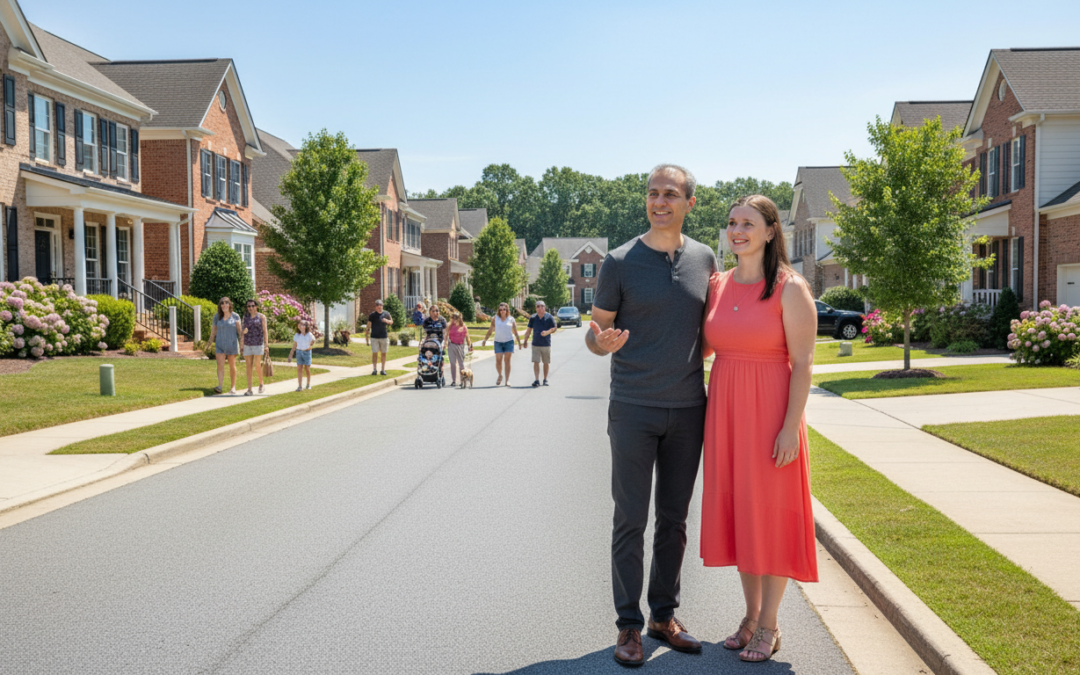
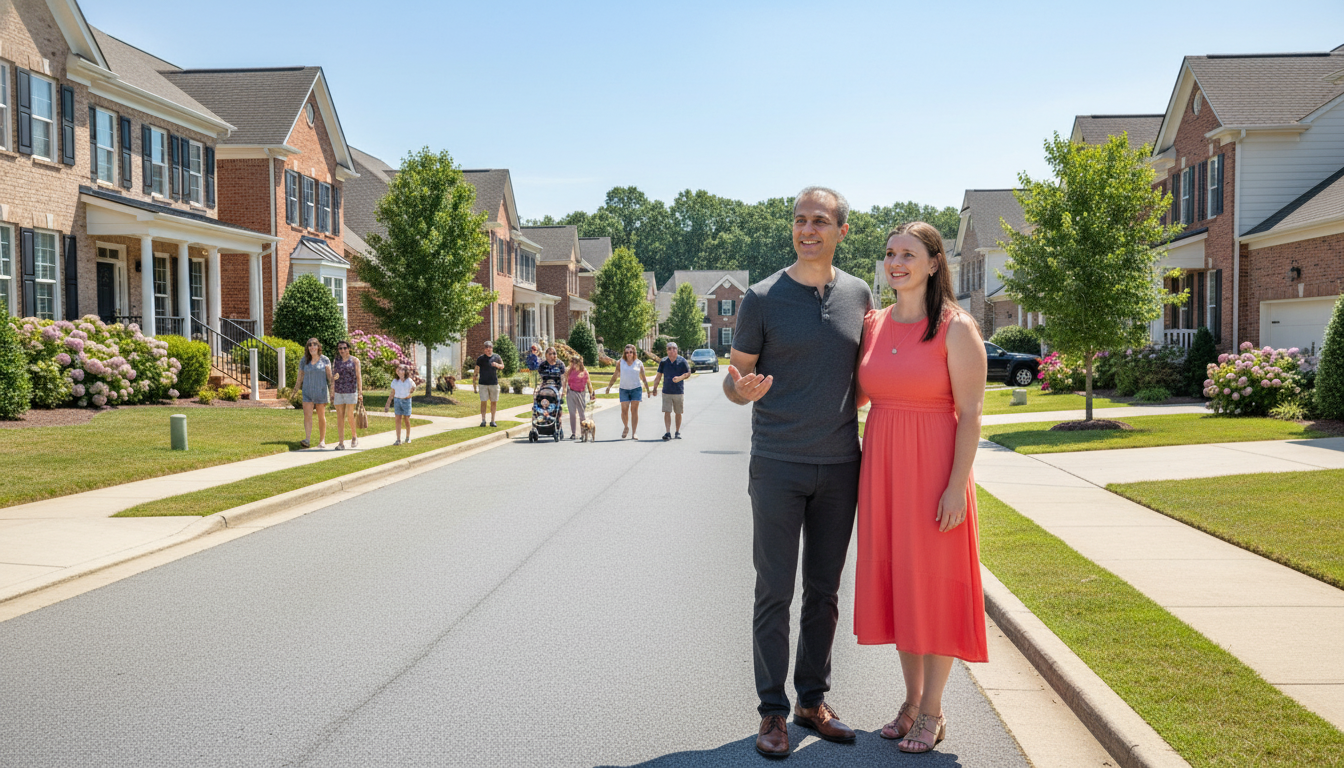
For buyers seeking specific types of properties, Greenville’s market offers a diverse range. In established areas of east Greenville, you might find well-maintained homes with mature landscaping, often at entry to mid-range price points. These homes provide excellent value and convenience to various parts of the city. For those prioritizing newer construction, Winterville and the Firetower Road area are seeing consistent development. Here, you can find modern homes with contemporary designs and amenities, ranging from the mid-$300,000s into the luxury tier.
Subdivisions like Ironwood offer a distinctive lifestyle with golf course proximity and typically larger, more custom-built homes, commanding higher price points. Meanwhile, Star Hill Farm caters to those desiring custom estates on more expansive lots, often ranging from one to five acres, providing a rural feel with modern comforts. The current inventory snapshot shows 596 active listings, with homes on the market for an average of 50 days, indicating a balanced market where buyers have options without excessive competition. Al and Victoria Pinder, your local real estate experts, leverage this data to help you pinpoint the best value for your housing investment.
Understanding Utility and Transportation Costs in Greenville NC
Beyond housing, monthly utilities and transportation form substantial components of the cost of living in Greenville NC. Utility expenses, including electricity, water, sewer, and internet, are generally in line with or slightly below national averages. For an average 2,000 sq ft home, residents can expect to budget approximately $200-$350 per month, depending on usage, energy efficiency of the home, and seasonal variations. Providers like Greenville Utilities Commission offer reliable service, and competitive internet options are available.
Greenville is predominantly a car-dependent city, making transportation costs a key consideration. While commute times within the city are relatively short – typically 10-25 minutes to major destinations like ECU Health or downtown – fuel expenses and vehicle maintenance are part of daily life. The city’s strategic location provides easy access to major arteries like I-95, facilitating travel within Eastern NC. Public transportation options are limited, so most residents rely on personal vehicles. However, the presence of various parks and greenways encourages walking and cycling for leisure, contributing to a healthy lifestyle and offering cost-effective recreational opportunities.
To assist in your home search, including options that align with your transportation needs and lifestyle, our experts have compiled valuable resources. Al and Victoria Pinder, top real estate agents in Greenville NC, understand the nuances of local living and guide you towards communities that fit your everyday routine.
Healthcare and Miscellaneous Expenses in Greenville NC
Greenville is home to ECU Health, a major healthcare provider and one of Eastern North Carolina’s largest employers. This provides residents with access to advanced medical facilities and specialists. While healthcare costs are highly individualized based on insurance and personal needs, the presence of a leading regional medical center can be a significant advantage, potentially reducing travel costs for specialized care. For general living expenses, groceries in Greenville typically align with national averages, though local farmers’ markets can offer competitive pricing and fresh produce.
Entertainment options are diverse and can be tailored to various budgets. From local restaurants and cafes to shopping centers and community events, there are plenty of ways to enjoy life in Greenville. Many parks and recreational facilities offer free or low-cost activities. For homeowners, property tax rates in Pitt County are another significant consideration. As of 2026, the tax rate for Pitt County and the City of Greenville combined is approximately $1.15 per $100 of assessed value. For a home valued at $279,900, this equates to roughly $3,218 annually, paid in semi-annual installments. Additionally, some planned communities or condominiums may have Homeowners Association (HOA) fees, which cover common area maintenance and amenities. These fees vary widely, from $50 to $300+ per month, and should always be factored into your budget when exploring properties in areas like Ironwood or newer developments in Winterville.
Investment Potential and Quality of Life in Greenville NC
The cost of living in Greenville NC is intricately linked to its investment potential and the overall quality of life it offers. With a stable housing market evidenced by a median of 50 days on market and consistent new construction, Greenville presents a promising environment for long-term real estate investment. The city’s continuous growth, driven by key economic anchors like ECU Health, fosters a robust job market and steady demand for housing, which supports property values over time.
Beyond the financial aspects, Greenville offers a high quality of life. The city is known for its green spaces, extensive park systems, and a growing array of retail and dining options that cater to diverse tastes. It balances the conveniences of a mid-sized city with a welcoming community atmosphere. For those seeking a vibrant yet manageable urban experience, Greenville delivers. Al and Victoria Pinder, top real estate agents in Greenville NC, provide deep insights into property values and long-term investment strategies, helping you make sound decisions that contribute to both your financial well-being and lifestyle aspirations. We understand that finding a home is not just about a transaction; it’s about investing in a future and a community you love.
To gain a deeper understanding of the Greenville NC real estate market and how it aligns with your financial goals, explore our comprehensive guide:
Conclusion: Your Trusted Guides to Greenville NC Living
Understanding the cost of living in Greenville NC in 2026 involves more than just numbers; it requires an intimate knowledge of the local market, economic drivers, and community nuances. From housing affordability in Winterville and east Greenville to utility costs and property taxes, every factor plays a role in your overall financial picture. Al and Victoria Pinder, as ICON agents at eXp Realty and Eastern NC real estate specialists, are uniquely positioned to offer you personalized guidance through this landscape. We have helped hundreds of families make informed decisions about their living and investment choices in Greenville and would love to help yours too. Reach out to Al and Victoria directly — we are your trusted guides for every step of this journey.
Frequently Asked Questions
Is Greenville NC an affordable place to live in 2026?
Yes, Greenville, NC generally offers a cost of living below the national average, especially in terms of housing. While specific expenses vary, housing, transportation, and utilities are typically more affordable than in larger metropolitan areas across North Carolina, making it an attractive option for many residents.
What are typical housing costs in Greenville NC compared to other cities?
As of early 2026, the median list price for homes in Pitt and Greenville counties is around $279,900. This is significantly lower than median prices in cities like Raleigh or Charlotte, offering substantial value for buyers seeking quality homes and communities without the higher price tags.
How much should I budget for utilities in Greenville NC?
For an average 2,000 sq ft home in Greenville, residents can expect utility costs (electricity, water, sewer, internet) to range from approximately $200-$350 per month. This amount can fluctuate based on seasonal usage, the energy efficiency of the home, and individual consumption habits.
What are the average property taxes in Pitt County, NC?
As of 2026, the combined property tax rate for Pitt County and the City of Greenville is roughly $1.15 per $100 of assessed value. For example, a home valued at $279,900 would incur approximately $3,218 in annual property taxes, usually paid in semi-annual installments.
Are there many new construction homes available in Greenville NC?
Yes, Greenville, particularly areas like Winterville and the Firetower Road corridor, continues to see robust new construction activity. These developments offer modern designs, contemporary amenities, and a range of price points appealing to diverse buyers looking for newer homes.
What is the job market like in Greenville NC in 2026?
The job market in Greenville, NC, remains strong in 2026, largely driven by major employers like ECU Health, which serves as a significant economic anchor. The city’s growing economy supports various sectors, providing opportunities for professionals across different industries and contributing to stable housing demand.
Related: Winterville NC real estate guide